How to Choose the Right MBA/PGDM College in India: A Complete Guide for Students (2026)

Choosing the right MBA or PGDM college is an important decision that can influence your career opportunities, professional skills and future growth. Every year, thousands of students in India complete their graduation and begin exploring management programmes. However, with so many colleges, entrance examinations, specializations and fee structures available, finding the right institution can quickly become confusing.
Some students focus on college rankings, while others choose an institution based on placement packages, campus facilities or recommendations from friends. Although these factors can be useful, they should not be the only reasons for selecting a college.
The right management institution should align with your career goals, academic background, budget and preferred specialization. Whether you want to build a career in marketing, finance, human resources, business analytics or entrepreneurship, making an informed decision can help you get more value from your management education.
If you are wondering how to choose the right MBA/PGDM college in India, this guide covers the essential factors you should evaluate before applying.
Understand the Difference Between MBA and PGDM
Before comparing colleges, understand the difference between an MBA and a PGDM.
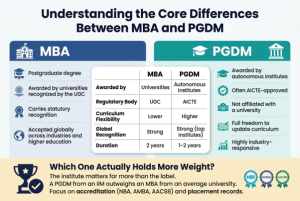
An MBA, or Master of Business Administration, is a postgraduate degree generally awarded by a university or an institution legally authorised to award that degree. A PGDM, or Post Graduate Diploma in Management, is a postgraduate diploma offered by an eligible institution.
Both program can prepare students for management careers in marketing, finance, human resources, operations and other business functions. However, their academic structures and recognition requirements may differ depending on the institution.
Before selecting a program, consider the following:
- MBA: Check the university or institution’s legal authority to award the degree.
- PGDM: Verify the applicable AICTE approval and program details where required.
- Online or distance program: Check the relevant UGC-DEB requirements for the institution, program and mode of study.
Do not assume that an MBA is always better than a PGDM or vice versa. Compare the curriculum, faculty, industry exposure, career outcomes and recognition requirements relevant to your future plans.
Identify Your Career Goals
One of the most common mistakes students make is selecting a college before deciding what they want to achieve through an MBA.
Before beginning your search, ask yourself a few questions. Which industry interests you? What kind of job would you like after graduation? Do you want to work in a corporate organisation, start your own business or expand an existing family business? Are you interested in analytical work, creative problem-solving, managing people or developing business strategies?
Your answers will help you shortlist colleges that offer relevant programmes and career opportunities.
For example, a student interested in advertising and digital marketing should look for programmes that cover branding, consumer behaviour, marketing analytics, digital strategy and campaign planning. A student interested in finance may prefer a college with strong finance electives, relevant internships and opportunities in financial analysis.
Having a clear career direction does not mean you must know exactly where you will work after graduation. It simply helps you identify the skills, learning environment and professional opportunities that matter most to you.
Choose the Right MBA Specialization
An MBA specialization allows you to develop knowledge in a particular business area. Your choice may influence your internships, projects and the entry-level roles you pursue after completing the programme.
Here are some popular MBA/PGDM specializations to consider.
Marketing Management: Suitable for students interested in advertising, brand management, digital marketing, sales, market research and consumer behaviour.
Finance: Focuses on areas such as financial analysis, corporate finance, banking, investment research and financial planning.
Human Resource Management: Covers recruitment, employee engagement, talent management, organisational behaviour and HR strategy.
Business Analytics: Combines business knowledge with data analysis to help organisations make informed decisions.
Operations and Supply Chain Management: Focuses on logistics, procurement, production planning, process improvement and supply chain management.
International Business: Explores international markets, global trade, cross-border business operations and international marketing.
When comparing colleges, examine the subjects offered under each specialization, faculty expertise, internship opportunities and the career paths of previous graduates.
Avoid choosing a specialization simply because it is popular. Select one that matches your interests, strengths and long-term career ambitions.
Check College Recognition and Accreditation
Recognition is an essential factor when choosing an MBA/PGDM college. Before submitting your application or paying admission fees, verify the institution and the specific programme through the relevant official sources.
Check the institution’s legal status, applicable approvals, programme details and campus information. For PGDM programmes, verify relevant AICTE approval where applicable. For MBA programmes, confirm the university’s authority to award the degree. Students considering online or distance education should verify the applicable requirements for their chosen programme and mode of study.
You should also confirm that the programme name, campus, academic session and admission details match the official information.
Remember that recognition and accreditation are not the same as educational quality. A recognised institution may still differ from another in terms of teaching, industry exposure and placement support. Therefore, verify the programme’s credentials and evaluate its overall value separately.
Evaluate Placement Records and Career Opportunities
Placements are an important consideration for students investing in management education. However, selecting a college solely because it advertises a high salary package can lead to unrealistic expectations.
Instead, examine the institution’s placement report carefully.
Consider these factors:
- Average salary: Understand the average salary reported for the graduating batch.
- Median salary: Check the middle salary outcome to better understand the distribution of salaries.
- Placement percentage: Find out how many eligible students were placed and how the institution calculates this figure.
- Recruiting companies: Identify companies that hire graduates from your preferred specialization.
- Job profiles: Check whether students receive relevant roles in marketing, finance, HR, operations or analytics.
- Internship support: Explore opportunities for practical experience and industry projects.
- Placement transparency: Check the graduating year, batch size, reporting methodology and eligibility criteria.
For example, if you want to build a career in marketing, a college offering relevant opportunities in brand management, digital marketing, market research or business development may be more suitable than one with a higher overall salary figure but limited opportunities in your preferred field.
Compare placement data from the same graduating year wherever possible. Remember that past placements do not guarantee future employment or a particular salary.
Compare MBA/PGDM Fees and Return on Investment
An MBA can require a significant financial investment, so understanding the total cost is essential.
Tuition fees are only one part of your expenses. You should also account for accommodation, meals, transportation, examination fees, learning materials, application fees and additional certifications.
Once you have estimated the complete cost, evaluate the potential return on investment (ROI).
A useful starting point is to compare the total programme cost with realistic salary outcomes, employment opportunities and long-term career prospects. Consider your financial circumstances and whether you may need an education loan.
For example, imagine two colleges offer similar specializations. One charges substantially higher fees but does not demonstrate significantly stronger placement outcomes or industry exposure. The more affordable college may offer better value, provided its academic quality and career support meet your expectations.
However, the cheapest option is not automatically the best. Consider the overall learning experience, faculty, practical exposure and professional opportunities before making your decision.
Research Faculty, Curriculum and Industry Exposure
A good management programme should develop both theoretical understanding and practical business skills.
Before choosing a college, research its faculty, curriculum and industry connections.
Faculty expertise: Check faculty qualifications, teaching experience, research and relevant industry backgrounds.
Updated curriculum: Look for subjects that reflect current business practices, such as analytics, digital transformation, leadership and strategic decision-making.
Live projects: Practical assignments allow students to apply classroom concepts to real business challenges.
Industry interaction: Guest lectures, workshops, corporate sessions and networking events can help students understand employer expectations.
Internships: Check how the institution supports students in identifying relevant internship opportunities.
Practical activities: Case competitions, business simulations, student clubs and entrepreneurship projects can strengthen communication, teamwork and problem-solving skills.
A strong learning environment should help you develop the ability to analyse business problems, communicate effectively, collaborate with others and make informed decisions.
Consider Location and Campus Facilities
The location of your college can affect living expenses, internship opportunities, networking and your overall student experience.
Studying in a major business hub may provide access to more companies and professional events in certain industries. However, opportunities also depend on the institution’s corporate relationships, local market and your own efforts.
Before selecting a college, consider:
- Hostel facilities and accommodation costs.
- Transportation and daily living expenses.
- Proximity to relevant industries and business centres.
- Campus safety and student support services.
- Libraries, classrooms, technology and learning resources.
- Clubs, events, competitions and extracurricular activities.
If you are planning to relocate for your MBA, estimate your monthly expenses in advance. Choose a location that supports your professional goals while remaining financially manageable.
Read Student Reviews and Connect With Alumni
College brochures often highlight an institution’s strengths, but speaking with current students and alumni can provide additional insights into the actual learning experience.
Look for feedback about faculty accessibility, teaching quality, internship opportunities, placement support, campus facilities and administrative services.
If possible, connect with alumni who completed your preferred specialization. Ask them about the roles they obtained, the skills they developed and how effectively the programme prepared them for their careers.
You can explore student discussions, alumni profiles and professional networking platforms to gather different perspectives.
However, avoid making decisions based on one positive or negative review. Look for recurring patterns and verify important claims through multiple sources.
Check Entrance Exams and Admission Requirements
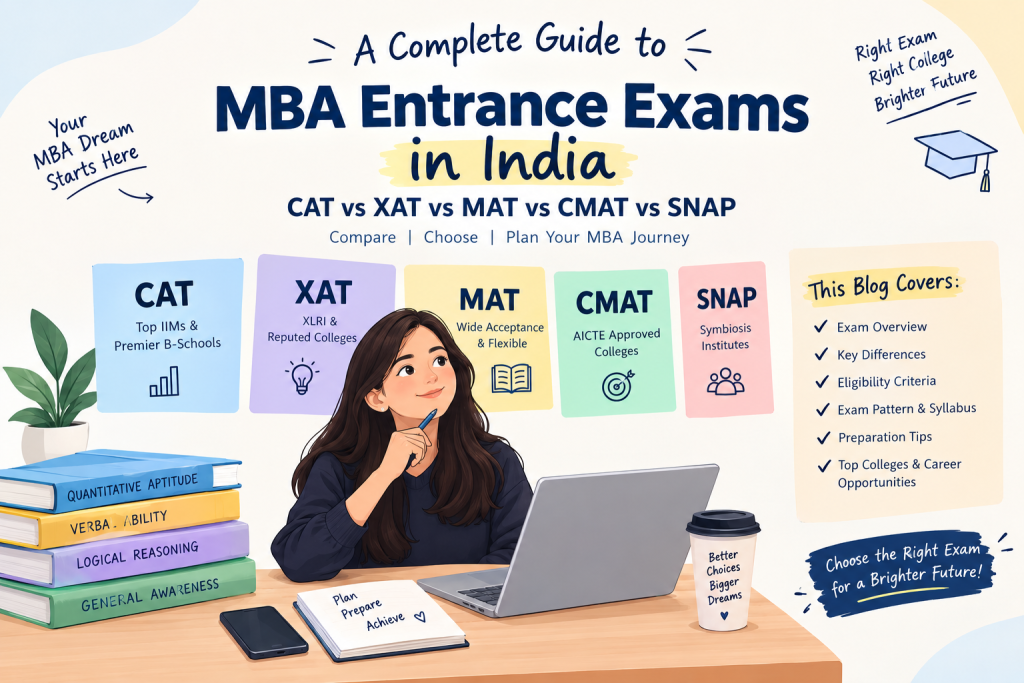
Different MBA/PGDM colleges may accept different entrance examinations and follow different admission processes. Some accept national-level entrance exams, while others may consider additional examinations or conduct their own selection procedures.
Before applying, check:
- Academic eligibility and minimum graduation marks.
- Accepted entrance examinations and score requirements.
- Application deadlines and admission fees.
- Group discussions, personal interviews or written assessments.
- Required documents and application procedures.
- Scholarships, financial aid and refund policies.
Prepare an admission calendar to track important dates and avoid missing deadlines.
If you have already taken an entrance examination, shortlist colleges according to their current eligibility requirements and your score. If you have not taken an exam, research the available admission routes before deciding which applications to pursue.
Always confirm the latest admission criteria on the institution’s official website.
Common Mistakes to Avoid When Choosing an MBA College
Before finalising your admission, avoid these common mistakes:
- Choosing only by rankings: Rankings may not reflect your individual priorities or preferred specialization.
- Believing every placement claim: Verify salary figures, placement rates and recruiter information.
- Ignoring additional expenses: Calculate the complete cost of studying and living.
- Following trends blindly: Select a specialization that suits your interests and strengths.
- Overlooking recognition: Confirm the programme’s validity before enrolling.
- Missing application deadlines: Track entrance exams, interviews and document requirements.
- Making rushed financial decisions: Review admission conditions and refund policies before paying.
Taking time to research your options can help you avoid unnecessary expenses and make a more informed choice.
How Education Info Services Can Help You Choose the Right MBA/PGDM College
Finding the right management college can feel overwhelming when you are comparing multiple institutions, entrance examinations, specializations, fee structures and placement reports.
Education Info Services aims to help students navigate their education journey by exploring suitable colleges and understanding available admission options. Whether you have recently completed your graduation or are preparing for management entrance examinations, having access to structured information and guidance can make the selection process easier.
You can begin by identifying your preferred specialization, academic profile, budget and career objectives. These details can help narrow down your options and focus your research on colleges that better match your needs.
Ready to explore your MBA/PGDM options?
Visit Education Info Services to explore management colleges and enquire about admission guidance.
Make an informed choice today and take the next step towards your management career.
Frequently Asked Questions (FAQs)
- How do I choose the right MBA college in India?
Identify your career goals, preferred specialization and budget. Compare recognition, curriculum, faculty, placement outcomes, fees, internships and student feedback before shortlisting colleges.
- What should I check before taking admission to a PGDM college?
Verify the institution’s credentials and applicable approvals, including AICTE approval where required. Review the curriculum, fees, placement reports, internship opportunities and admission conditions.
- Is an MBA better than a PGDM?
Neither is automatically better. An MBA is a postgraduate degree, whereas a PGDM is a postgraduate diploma. The right choice depends on the institution, recognition requirements, curriculum and career opportunities.
- Which MBA specialization is best after graduation?
Popular options include marketing, finance, human resources, business analytics, operations and international business. The best specialization depends on your interests, abilities and career objectives.
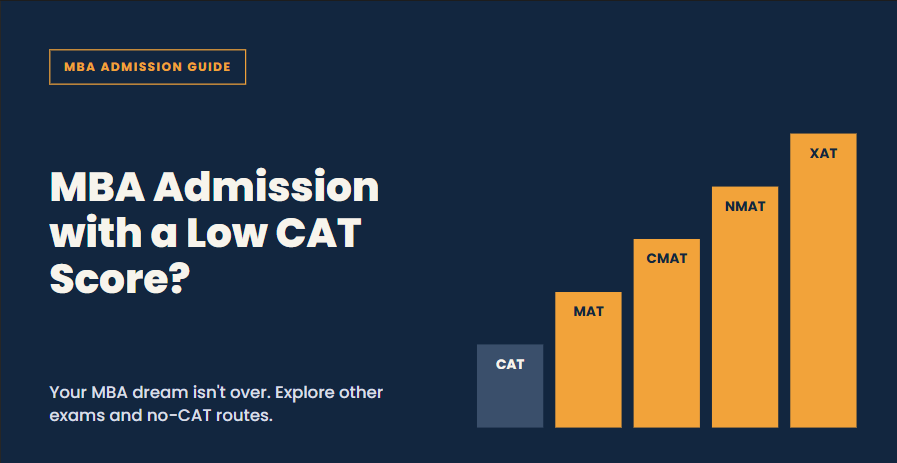
- Can I pursue an MBA without taking CAT?
Yes. Some colleges accept other entrance examinations or conduct their own admission processes. Check each institution’s latest eligibility and selection requirements.
- How important are placements when choosing an MBA college?
Placements are important, but they should not be the only deciding factor. Compare median and average salaries, relevant job roles, placement methodology, internships and long-term career opportunities.
- How much should I spend on an MBA?
Your budget should account for tuition, accommodation, living expenses and other costs. Compare the total investment with realistic career outcomes and your financial circumstances.
- Can Education Info Services help me shortlist MBA colleges?
You can visit Education Info Services to explore college options and enquire about available admission guidance according to your academic profile, preferences and career goals.