MBA Entrance Exams in India: CAT, XAT, MAT, CMAT and SNAP Compared
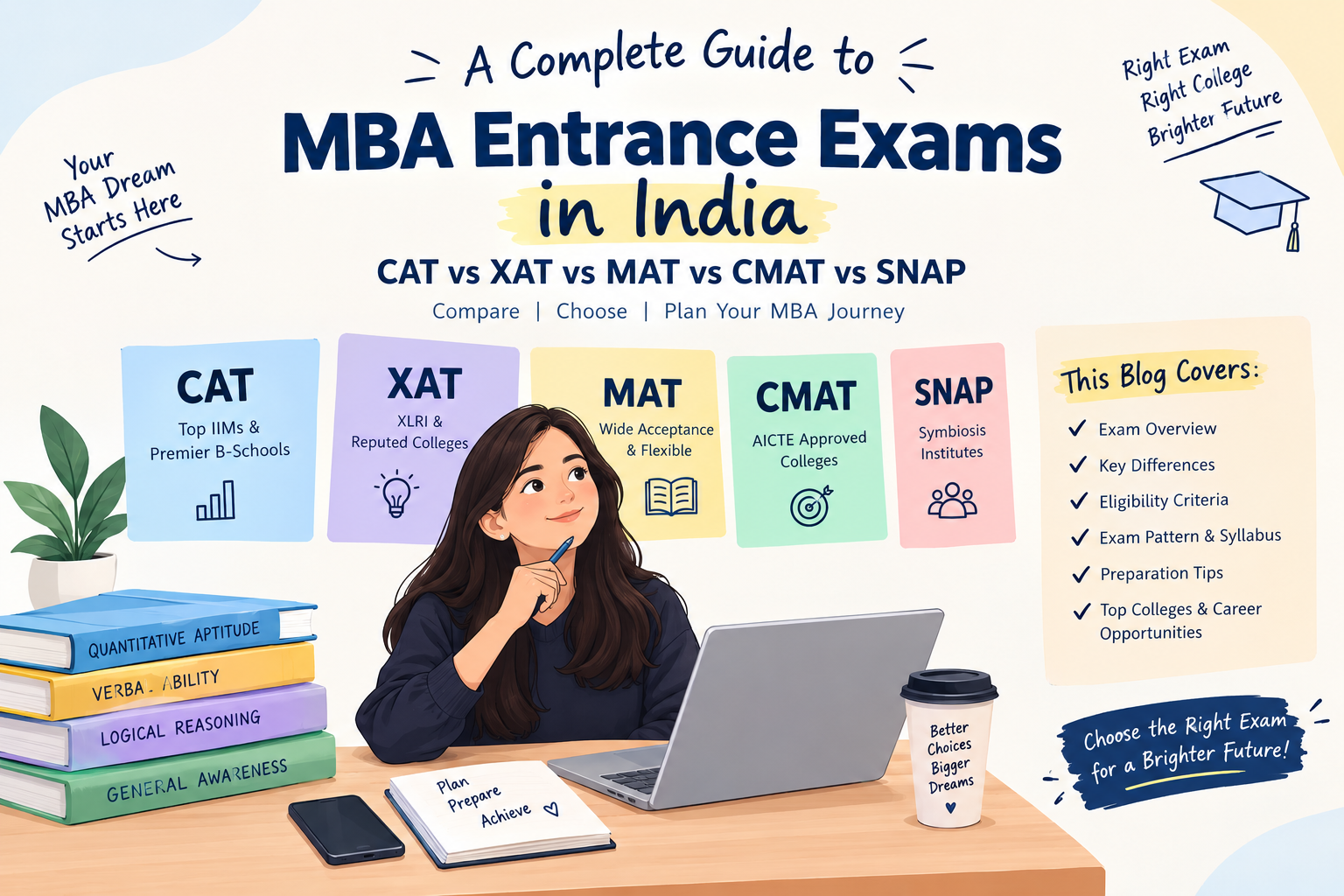
In India, pursuing an MBA has become a popular choice for students seeking to enhance their career prospects and skill sets in a competitive job market. However, the journey to securing a seat in a prestigious business school begins with the daunting task of selecting the right entrance examination. With several options available—including the CAT, XAT, MAT, CMAT, and SNAP—prospective MBA candidates must navigate through varied formats, eligibility criteria, and scoring systems. This article aims to provide a comparative analysis of these key entrance exams, offering insights into their structures, preparation strategies, and implications for future career opportunities, ultimately helping students make informed decisions about their MBA journey.
Overview of MBA Entrance Exams in India
MBA entrance exams in India are the gateway to some of the most prestigious business schools in the country. With a plethora of options—CAT, XAT, MAT, CMAT, and SNAP—aspiring MBA candidates are faced with choices as varied as a buffet at an Indian wedding. Each exam has its unique quirks, making it crucial for candidates to understand what lies ahead.
Importance of MBA Entrance Exams
Why care about MBA entrance exams? Well, these tests are more than just a rite of passage; they are crucial to securing a spot at top B-schools. They assess your aptitude in critical areas like quantitative ability, verbal ability, logical reasoning, and general knowledge—skills that are essential for any future business leader (or maybe just for impressing friends at dinner parties). The scores often play a pivotal role in the admission process, influencing program selection and scholarship opportunities.
Key Differences Between the Exams
While all these exams aim to test your readiness for MBA coursework, each has its distinctive flavor. CAT focuses heavily on logical reasoning and quantitative skills, while XAT throws in an essay and general knowledge section to spice things up. MAT tends to be more lenient, making it accessible to a wider audience, while CMAT has a specific emphasis on management concepts. SNAP, on the other hand, caters to Symbiosis Institute, giving it a niche market. Understanding these differences can help you choose the exam that best fits your strengths and aspirations.
Comparative Analysis of CAT, XAT, MAT, CMAT, and SNAP
When it comes to picking the right entrance exam, it’s like choosing between a pizza and a burger—both are delicious, but your mood may dictate your choice. This section breaks down the popularity and acceptance rates of each exam.
Exam Popularity and Acceptance
CAT reigns supreme in the popularity contest, accepted by the crème de la crème of Indian business schools, including the IIMs. XAT follows closely, known for its acceptance at XLRI and other reputed institutions. MAT is a reliable choice for those eyeing colleges that are more accepting of diverse scores. CMAT is recognized almost universally among AICTE-approved colleges, while SNAP is the go-
to for those with a laser focus on Symbiosis institutes. Depending on your target schools, your choice of exam can pave the way to your future MBA journey.
Focused MBA Programs and Specializations
Each entrance exam tends to cater to specific programs and specializations. The CAT is your best bet for general management programs, with many colleges offering marketing and finance specializations. XAT shines in human resource and strategic management areas, while MAT is often linked with a plethora of programs, making it quite the buffet. CMAT provides pathways into various management specialties, and SNAP is tailored for programs at Symbiosis, including marketing, finance, and operations management. So, whether you’re a future marketer or a budding HR expert, there’s an exam with your name on it.
Exam Patterns and Structure
Understanding the structure of these exams is like learning the rules before playing a new game—key to ensuring you don’t end up out of the competition before you even start!

Question Types and Subjects Covered
Each exam features a unique set of subjects and question types. CAT focuses on quantitative aptitude, data interpretation, verbal ability, and logical reasoning. XAT adds an essay-writing component and general knowledge, while MAT typically covers similar areas but with a more relaxed question format. CMAT includes management-related topics, and SNAP tests verbal ability, analytical and logical reasoning, and general awareness. This variety means there’s something for everyone’s strengths, but it also means you need to do some homework.
Duration and Format of Each Exam
In terms of duration, CAT and XAT are both 3 hours long with multiple sections, whereas MAT can be completed in 2 hours if you’re in the computer-based format. CMAT and SNAP also last for 2 hours, but bring their own flair to the table with different section allocations. Knowing the format and timing can help you strategize your preparation and manage your time effectively during the actual exam—because no one wants to be that person panicking in the last five minutes!
Eligibility Criteria and Application Process
Before you dive into preparation, let’s make sure you meet the eligibility criteria. After all, you can’t bake a cake without checking if you have the right ingredients!
Educational Qualifications Required
For most MBA entrance exams, a Bachelor’s degree from a recognized university is essential. CAT, XAT, and CMAT generally require at least a 50% mark (45% for reserved categories), but MAT can be slightly more flexible. Some exams, like XAT, also require candidates to submit a work experience certificate if applicable. So, if you’ve got a degree and a dash of ambition, you’re probably on the right track!
Application Timeline and Fees
Mark your calendars because application timelines can vary and get you in a tizz if you’re not careful! Usually, CAT and XAT have their applications open around September to November, while MAT can be a year-round affair. CMAT typically opens up in January, and SNAP has its window around September to November as well. As for fees, they range from approximately ₹1,500 to ₹2,500, depending on the exam, so keep a little extra cash handy! Missing a deadline or a fee can leave you high and dry, so stay alert like a hawk on a mission.
Scoring and Result Interpretation
Understanding Percentiles and Scores
In the realm of MBA entrance exams, the term “percentile” is as common as coffee breaks during a study session. Simply put, your percentile ranks you against other test-takers. A score in the 90th percentile means you outperformed 90% of the candidates. This helps schools gauge where you stand in the competitive field. Remember, it’s not just about the raw score; it’s about how you stack up against your fellow aspirants. So, if you’re feeling like a superstar with a solid score, make sure to check that percentile—it’s like the cherry on your academic sundae.
Cut-off Trends for Top Colleges
Cut-offs are the gatekeepers of elite B-schools. They fluctuate yearly based on exam difficulty and applicant performance, like the unpredictable weather in Mumbai. For instance, prestigious institutes like IIMs and XLRI often set their cut-offs in the 90s for CAT and XAT respectively. Keeping an eye on these trends is crucial; knowing past cut-offs can help you set realistic targets. So, stalk those college websites like they’re your favorite celebrity’s Instagram page—this intel will help you strategize your preparation better!
Preparation Strategies and Resources
Recommended Study Materials
When it comes to studying for MBA entrance exams, having the right resources is akin to a chef having the right ingredients. Books like “How to Prepare for Quantitative Aptitude for CAT” by Arun Sharma and “The Pearson Guide to Verbal Ability and Logical Reasoning” by Nishit Sinha are like the culinary staples of exam prep. Online platforms like Unacademy and BYJU’S also offer tailored courses that can help you whip up an impressive score. And never underestimate the power of mock tests—think of them as trial runs for the big show!
Coaching vs. Self-Preparation
Ah, the age-old debate: coaching classes or self-preparation, like choosing between pizza and sushi. Coaching can provide structure, guidance, and a community of fellow stressed-out aspirants, while self-preparation allows for flexibility and the comfort of your pajamas. If you’re someone who thrives on deadlines and in-person motivation, coaching might be your jam. But if you’re a self-starter who loves crafting your own study schedule, grab those study materials and go solo. Either way, commitment is key—so don’t let procrastination be the thief of your MBA dreams!
Career Opportunities Post-MBA
Common Career Paths for MBA Graduates
Once you’ve navigated the entrance exams and conquered the MBA program, it’s time to embrace the real world. The beauty of an MBA is its versatility — you can plunge into finance, marketing, consulting, or even entrepreneurship. Companies crave the strategic thinking and leadership skills that MBAs bring to the table, making you a hot commodity. You could end up as a management consultant, marketing guru, or even start your own venture—just remember to keep your business cards handy!
Impact of Entrance Exam Scores on Career Prospects
Ah, yes, your entrance exam scores. They can be the silver bullet or the pesky stone in your shoe, depending on where you land. Top-tier placements often look at your entrance exam scores as part of their holistic review process. Higher scores could lead to interviews at dream companies, while lower scores might mean you have to hustle a bit harder. However, don’t despair if your scores aren’t the stuff of legends. Networking, internships, and good old-fashioned hard work can often overshadow those numbers, so keep your chin up!
Conclusion: Choosing the Right Exam for Your Goals
Factors to Consider When Selecting an Exam
Choosing the right MBA entrance exam is sort of like picking a dessert—there’s no one-size-fits-all, and it depends on your taste. Consider your strengths: do you excel in quantitative skills or verbal reasoning? Look into the specifics of the exams: CAT for IIMs, XAT for XLRI, MAT for a broader range of colleges, CMAT for AICTE-approved institutes, and SNAP for Symbiosis. Your goals should guide your choice; whether aiming for a specific college or maximizing your options, knowing where you want to end up will help you make the best selection.
Final Thoughts and Recommendations
At the end of the day, picking the right MBA entrance exam is about aligning your strengths and aspirations with the opportunities ahead. Whether you choose CAT, XAT, MAT, CMAT, or SNAP, remember that preparation and persistence are your best pals in this journey. So gear up, stay focused, and remember that your MBA dream is within reach—not just a score, but a whole new world of possibilities waiting for you! Now go forth and conquer those exams!In conclusion, selecting the right MBA entrance exam is a crucial step for aspiring business leaders in India. Each exam offers unique features, structures, and opportunities, making it essential for candidates to align their choices with their career goals and strengths. By understanding the differences and preparing effectively, students can enhance their chances of success and pave the way for a rewarding MBA experience. Ultimately, the right entrance exam can serve as a stepping stone towards achieving one’s professional aspirations.
Frequently Asked Questions
1. What is the primary difference between CAT and XAT exams?
The primary difference lies in their focus areas; CAT primarily assesses quantitative ability, verbal ability, and logical reasoning, while XAT includes a section on decision-making and general awareness, making it broader in scope.
2. Are there any age limits for MBA entrance exams in India?
Generally, there are no strict age limits for MBA entrance exams in India. However, some institutes may have specific criteria, so it’s advisable to check the requirements of the preferred schools.
3. How can I prepare effectively for these entrance exams?
Effective preparation can include a combination of studying from relevant materials, taking mock tests, joining coaching classes, and creating a structured study plan to cover all topics systematically.
4. Which entrance exam is best for pursuing an MBA in finance?
While all exams can lead to finance specializations, CAT and XAT are often preferred due to their acceptance by top-tier business schools known for strong finance programs.